Ten Years Old and Still Solving Problems: The Unkillable Forum Thread

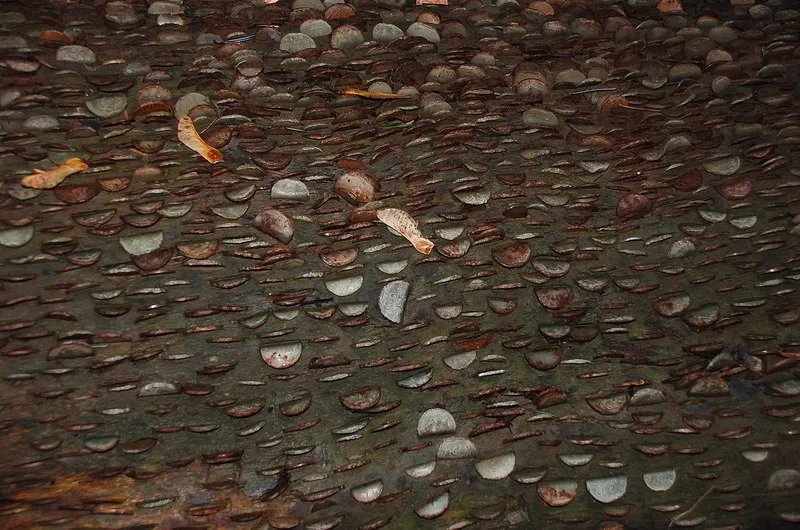
Photo: Panelxf, CC0, via Wikimedia Commons
It's 2 a.m. and someone in Columbus, Ohio is staring at a leaking water heater, a half-disassembled laptop, or a car that makes a noise no YouTube video seems to cover. They're not scrolling a feed. They're reading a forum thread started in 2011 by a guy named Dave who documented every step of the exact same repair.
That's not nostalgia. That's infrastructure.
The Half-Life of a Post
Social media content has the shelf life of milk. Studies and platform data consistently show that the overwhelming majority of engagement on X, Facebook, and LinkedIn happens within the first hour or two of posting. After that, your post is effectively a fossil buried under an avalanche of newer fossils.
Forum threads operate on a completely different clock. A well-structured discussion about troubleshooting a specific problem doesn't expire when the conversation ends — it becomes a resource. The thread is the answer. And unlike a Story or a Stream, it doesn't vanish when the algorithm moves on.
Why Old Threads Keep Breathing
Three forces keep these conversations alive long after the original participants have wandered off:
Search engines love them. A decade of replies to a niche question is exactly the kind of deep, specific content Google rewards. When someone searches "why does my furnace short cycle in extreme cold," they don't land on a tweet. They land on an HVAC forum thread with forty replies and one heroic post from 2016 that solves it.
AI assistants read them too. Large language models trained on the open web lean heavily on forum archives precisely because they're dense with real questions and real answers. The next generation of search is going to keep pulling from threads — whether the platforms that hosted them survive or not.
Desperation is evergreen. People with weird, specific, 2 a.m. problems don't want vibes. They want the reply from user 'TorqueWrench_Tim' explaining that the real fix is a $4 gasket nobody else mentions.
The Threads That Refuse to Die
Ask any longtime forum owner and they'll tell you about their "zombie classics" — threads that keep racking up views years later. A photography forum thread about cleaning fungus from vintage lenses. A woodworking thread on fixing a warped tabletop. A parenting forum discussion about a sleep regression that nobody else on the internet addressed properly.
These threads accrue value the way a savings account accrues interest. Every new reply, every clarification, every "this worked for me too" adds to a compounding knowledge base. A thousand social posts about the same topic produce a thousand isolated drops. One thread produces a reservoir.
What This Means for Where You Build
If you're a creator, a business owner, or just someone who wants their community to matter past next week, the math is blunt. Content you post on rented, feed-driven platforms is perishable by design. Content that lives in a structured, searchable forum keeps working while you sleep.
That's the quiet argument for owning your forum: you're not just hosting conversations, you're building an archive that outlives trends, algorithm changes, and maybe even the platforms themselves. Dave's 2011 water heater thread didn't survive because Dave was famous. It survived because forums are built to remember.
And somewhere tonight, someone's googling at 2 a.m. — and finding it.