Your Real Name or Nothing: The Forum Experiment Dividing Online Communities

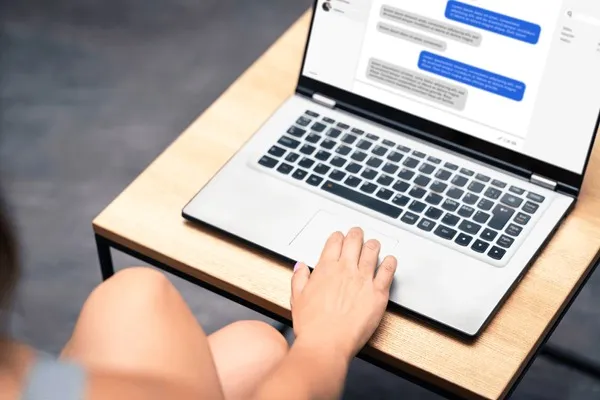
Photo: rawpixel, CC0, via Wikimedia Commons
There's a quiet experiment happening across online forums right now, and it's making a lot of longtime community members deeply uncomfortable. Forum admins — from professional networking spaces to tight-knit hobbyist boards — are starting to ask something that would've felt radical just a few years ago: What if everyone here had to use their real name?
It sounds simple. Maybe even obvious. But the moment you start pulling on that thread, things get complicated fast.
The Case for Dropping the Mask
The argument for verified identities in online forums isn't new, but it's gaining serious traction. The basic logic goes like this: when people know their name is attached to what they say, they think twice before saying something they'd regret. Accountability, the theory goes, breeds civility.
Marcus T., who runs a regional real estate investment forum based in the Midwest, made the switch to verified profiles about eighteen months ago. He required members to submit a LinkedIn profile or professional credential before getting full posting access.
"Night and day," he says. "The drive-by negativity basically disappeared. People stopped posting stuff they wouldn't say to someone's face at a meetup."
His forum saw a drop in reported posts almost immediately after the change. Heated debates still happened — they always do in real estate — but the personal attacks became rare. Members started referencing their actual experience. The conversations got denser, more specific, more useful.
For professional and industry-specific communities, this makes a lot of intuitive sense. If you're a nurse asking about a clinical protocol, or a contractor discussing code compliance, your credentials matter. Your name attached to your advice signals something real.
What Gets Lost When the Pseudonym Goes Away
But here's where it gets thorny.
Anonymity — or at least pseudonymity — has always been one of the most powerful features of forum culture. It's the reason someone struggling with addiction could post honestly without fear of their employer finding out. It's why a teenager in a conservative household could ask questions about their identity on an LGBTQ+ community board. It's why whistleblowers, abuse survivors, and people in genuinely vulnerable situations found spaces where they could speak without consequence.
Take that away, and you don't just change the tone. You change who shows up at all.
Jamie R. moderates a long-running mental health support forum that's been active for over a decade. When the topic of real-name verification came up in her admin team, the discussion got heated — and ultimately, they voted it down.
"Our members need to be able to say things they can't say anywhere else," she explains. "The moment we attach real identities, we lose the people who need us most. They'll just disappear. And honestly, that scares me more than the trolls do."
Her point lands hard. The communities that arguably benefit most from real-name accountability — large, impersonal spaces where harassment runs rampant — are often not the ones experimenting with verification. It's the smaller, more intentional communities making this call, and sometimes those are exactly the spaces where anonymity was doing the most good.
The Moderation Equation Changes Too
Admins who've gone the verification route also report something unexpected: moderation doesn't get easier, it just gets different.
With anonymous or pseudonymous forums, the classic problems are trolling, spam, and bad-faith arguments. With verified identities, those issues shrink — but new ones emerge. Members start gaming their credentials. Disagreements become more personal because people know exactly who they're disagreeing with. And occasionally, the knowledge that someone's real-world reputation is on the line makes them more defensive, not less.
"People got more protective of their opinions," says Marcus. "Like, because their name was there, they felt like they had to win every argument. It introduced a kind of ego thing we hadn't anticipated."
There's also the question of enforcement. Verifying that someone is who they say they are is genuinely hard without investing in third-party tools or manual review processes. Some forums use email domain verification for professional communities. Others rely on social profile linking. A few have experimented with ID verification services — which introduces a whole new conversation about data privacy and trust.
A Spectrum, Not a Binary
What's becoming clear is that the choice between full anonymity and full verification is a false one. The most thoughtful communities are landing somewhere in the middle.
Some forums use a "verified badge" system — members can choose to verify and get additional trust status, but it's not required. Others have tiered access, where anonymous users can read and respond in general threads, but verified members unlock certain sub-forums or features. A few have experimented with "real name optional" policies where members can display a verified credential without showing their actual name publicly.
This hybrid approach reflects something important: different conversations require different levels of identity. A thread about your favorite hiking trail doesn't need the same accountability infrastructure as a thread where someone is asking for medical or financial guidance.
Does Authenticity Actually Mean Better Conversations?
The honest answer, based on what admins are reporting, is: sometimes, for some communities, yes.
Verified identity tends to raise the quality of discourse in professional and expertise-driven forums. It reduces the kind of casual cruelty that anonymity can enable. It makes people more likely to share real experience and less likely to posture.
But it also narrows the room. Fewer people feel safe enough to participate. Vulnerable voices get quieter. The forum becomes a more polished, more professional space — and in doing so, loses some of the raw honesty that made forums worth reading in the first place.
The communities that seem to be navigating this best are the ones that started with a clear answer to one question: Who are we trying to protect? If the answer is "our members from harassment," verification might help. If the answer is "our members' ability to speak freely," it might do the opposite.
Where This Goes From Here
The real-name debate isn't going away. If anything, it's going to intensify as platforms face more pressure around accountability, misinformation, and online harassment. Lawmakers have floated identity verification requirements for social platforms. Some major tech companies are already experimenting with credentialing systems.
For independent forum communities, the good news is that you get to make this call yourselves — which is kind of the whole point of building your own space. You're not locked into a platform's one-size-fits-all policy.
But the choice matters more than it might seem. How you handle identity shapes everything: who joins, who stays, what gets said, and what never gets said at all. That's not a technical decision. It's a values decision.
And it's worth taking seriously before you flip the switch.